Where to Place an AED at Work: Austin Guide
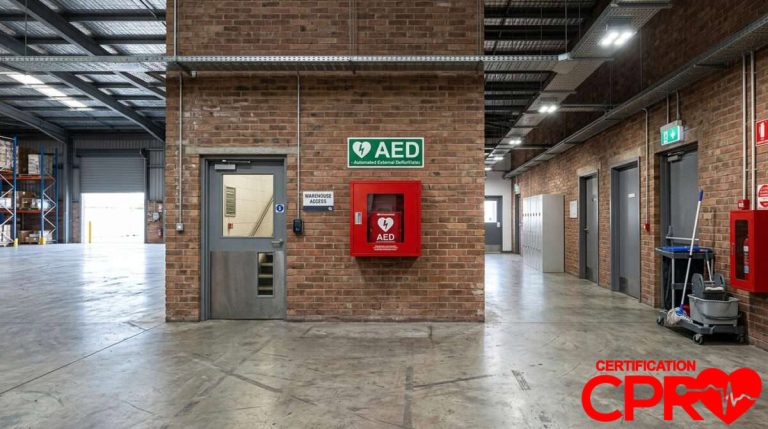
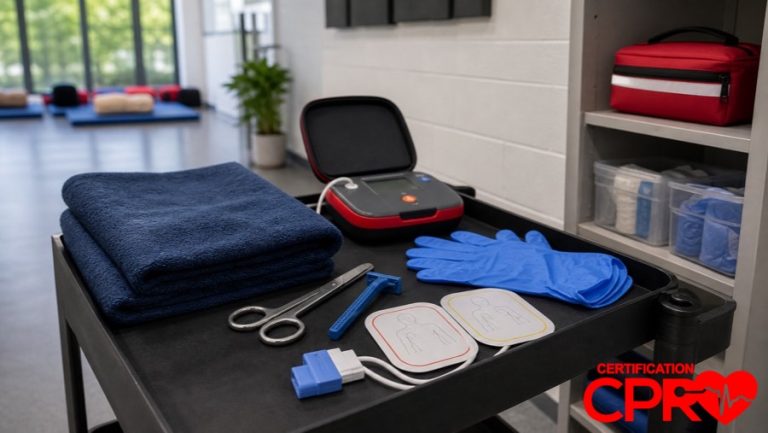
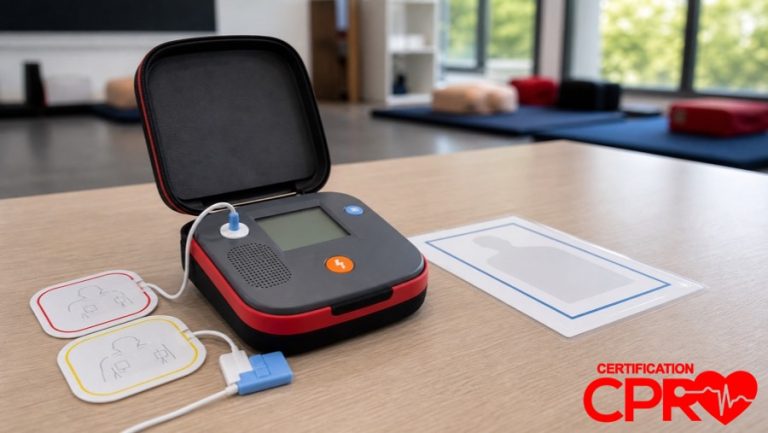
An AED only helps if people can spot it and get to it fast. Smart workplace placement accounts for travel time, building layout, visibility, access, and the way the building is actually used.
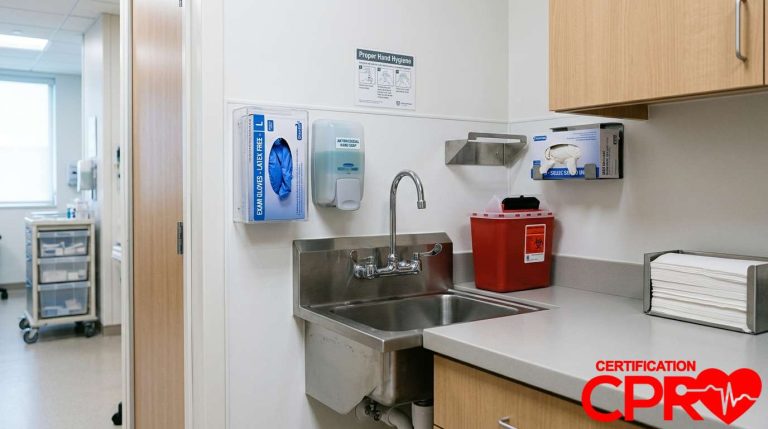
PPE for bloodborne pathogens is not just โwear some gloves.โ It means choosing the right barrier, using it at the right time, and making it part of the larger safety system.
Most AED emergencies only get complicated when one odd detail makes the rescuer hesitate. Wet skin, jewelry, chest hair, metal surfaces, and pacemakers all have practical answers that keep the response moving.
Seizure first aid is mostly about staying calm and protecting the person. The key is knowing what to do during the seizure, when to roll the person onto their side, and when to call 911.
Teachers are often the closest adults when a school emergency starts. CPR training gives educators a usable response, and BLS is often the clearest path when school paperwork needs a serious card.
A needlestick needs a fast, calm, no-guesswork response. The immediate steps matter, reporting cannot wait, and the workplace exposure plan should take over quickly.
AED voice prompts are designed to keep a chaotic scene moving in the right order. The common prompts tell you when to place pads, pause, shock, resume CPR, and keep following the sequence.
A dried blood spot is not the same thing as a harmless surface. Surface survival matters because cleanup, PPE, and exposure control depend on treating dried blood with the right level of caution.
Buying an AED is not just a one-line equipment purchase. Device cost, accessories, maintenance, placement, staffing, and ongoing upkeep all belong in the same decision.
You can catch an infection in some first-aid situations, but helping someone does not automatically mean you will. The real risk depends on the kind of contact and whether blood or body fluids reach a true exposure route.
No products in the cart.